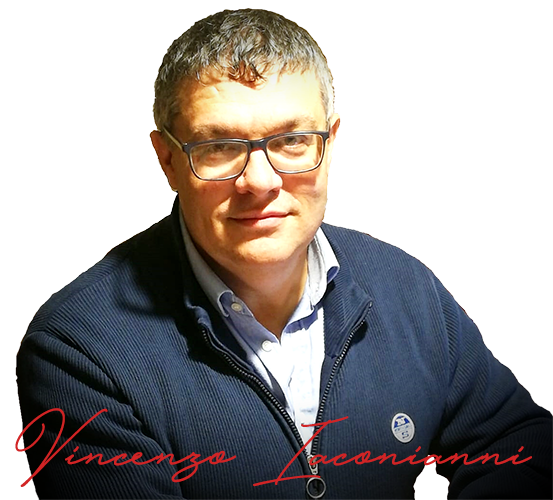

With this fourth issue of our magazine, we are celebrating a milestone: the awarding of the Issn code, which marks our magazine's official entry into the scientific publishing circuit. It is an achievement that testifies to the seriousness of the path we have undertaken and encourages us to continue with even greater responsibility and vision.
The theme of this issue – the role of regulatory bodies in the healthcare world – is not only technical, but deeply concerns the quality of care and the trust of citizens. Regulation, guidelines, certification and supervision are not merely bureaucratic: they are the pillars that allow innovation and research to develop in a safe, ethical and sustainable manner.
The articles we present come from different perspectives and international contexts (Italy, Switzerland, UK, Argentina), offering a comprehensive and comparative view. The humanisation of care and the need to keep the person at the centre of the care pathway are intertwined with the challenges of regulating genetically modified microorganisms and new biotechnologies. The regulatory experience of the United Kingdom, with its rigorous accreditation and inspection procedures, sits alongside Italian reflections on clinical risk management and medico-legal liability. These are complemented by contributions that explore the value of system certification and expertise, and others that take us on a journey from the history of the first cord blood transplants to the frontiers of regenerative medicine.
The common thread that emerges from the book is the need for a new approach to the issue of the medical and legal liability.
The red thread that emerges is clear: the healthcare of the future must be based on three inseparable dimensions – humanity, rules and innovation. Only by balancing them will it be possible to guarantee care paths that are both safe, of high quality and capable of opening up to the new frontiers of medicine.
In this framework, regulatory bodies, scientific societies and supervisory systems are not constraints, but guarantors of trust: they are the necessary condition to ensure that technological and scientific progress never loses sight of the centrality of the person.
The European Commission's proposal for a directive on the protection of the rights of the individual is a necessary condition to ensure that the centrality of the person is never lost.
With the ISSN, a new phase opens for our magazine: we want to continue to offer national and international contributions that are not just technical analyses, but tools for reflection and growth for those who work, every day, to build a safer, innovative and profoundly human healthcare system.