
Cell therapy represents one of the greatest revolutions in modern medicine. It is not only a clinical and scientific challenge, but also a regulatory, organisational and economic complexity that requires a multidisciplinary approach. Let us take a look at some of the main reasons that make this field so special and complex.
From Water to Wine: The Transition from Tissue to Drug
During my courses, I often use a metaphor that perfectly sums up the regulatory complexity of cell therapy: è like water turning into wine. In fact, from a regulatory point of view, we start with a tissue (e.g. stem cells or lymphocytes) that, through a process of manipulation and production, becomes a drug.
This transformation is not only conceptual, but has enormous regulatory implications. Indeed, one must simultaneously comply with the regulations governing pharmaceutical production (GMP – Good Manufacturing Practice) and those relating to tissue management, which derive from European regulations and national transposition decrees. This dual regulation creates a particularly stringent and articulated regulatory environment, which must be carefully managed.
A New Production Model: Personalised Therapy
Cellular therapy introduces a completely new paradigm compared to traditional pharmaceuticals. In classic manufacturing, a single batch of a drug is destined for multiple patients. In cell therapy, on the other hand, we move to the concept of one batch for a single patient.
This implies that the drug is not just a single drug, but that it is also a single drug for a single patient.
This implies the need to completely rethink production, logistical and regulatory processes. Each patient has a unique treatment, with precise timelines and strict quality control throughout the entire supply chain, from cell procurement to final infusion.
This implies the need to completely rethink production, logistics and regulatory processes.
Supplier and Customer Coincide: The Case of Autologous Therapies
Another distinctive feature of cell therapy, especially for autologous therapies such as CAR-T, is the dual role of the patient and the hospital. In these cases, the patient and the healthcare facility are not only recipients of the treatment, but also suppliers of the raw material.
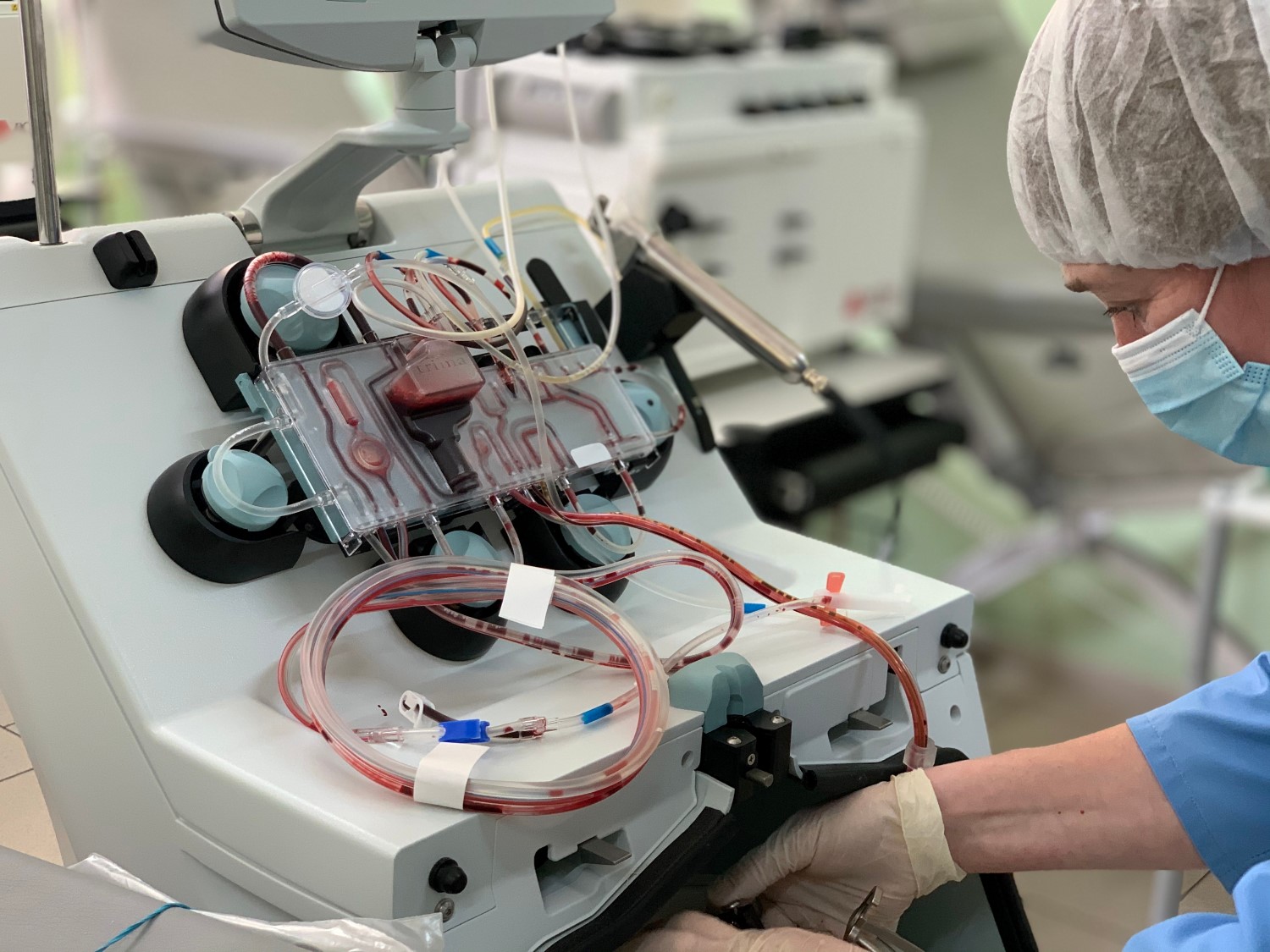
The process begins with the collection of the patient's cells, which are then sent to a production laboratory to be manipulated and transformed into the drug. Subsequently, the patient himself receives the drug produced, closing a cycle that is much more similar to a 'customised production chain' than to the classic pharmaceutical chain.
This interconnection of the production chain with the patient's cellular system is a very important part of the process.
This interconnection between supplier and customer introduces an unprecedented set of management, logistical and regulatory challenges, requiring perfect coordination between hospitals, production centres and regulatory bodies.
Ethical and Medical-Legal Challenges
Finally, cell therapy opens up a huge ethical and medico-legal debate. The questions are numerous:
- Who owns the cells and the derived drug?
- How is fair access to treatments ensured, given their high cost?
- What are the medical-legal responsibilities in case of adverse events?
These aspects make it clear that cell therapy is not only a scientific development, but also a regulatory, organisational and ethical challenge that requires new solutions and an appropriate regulatory framework.
The Costs and Sustainability of the System
One of the most critical aspects of cell therapy is its extremely high cost. The production process is highly specialised and complex: from cell collection to handling, storage, transport and final infusion, each step requires high-tech infrastructure, qualified personnel and strict quality control.
These factors make the cost per patient very high, often in the hundreds of thousands of euros per treatment. This reality opens up big questions about the economic viability of cell therapy:
- How to ensure equitable access to treatments, preventing them from becoming reserved for a select few patients?
- What reimbursement and pricing models can be adopted to make these therapies sustainable for healthcare systems?
- What will be the role of pharmaceutical companies, public institutions and health insurers in financing these therapies?
These questions need to be addressed to ensure that innovation does not turn into a niche treatment, but into a real therapeutic opportunity for all patients who need it.
Conclusions
Cell therapy represents a momentous change in the way we conceive of medical treatments. However, its implementation requires a profound rethinking of the entire healthcare ecosystem, from regulations to logistics, from costs to governance.
Tackling these challenges means ensuring that cell therapy can reach its full potential, offering patients innovative treatments in a safe, ethical and economically sustainable environment.