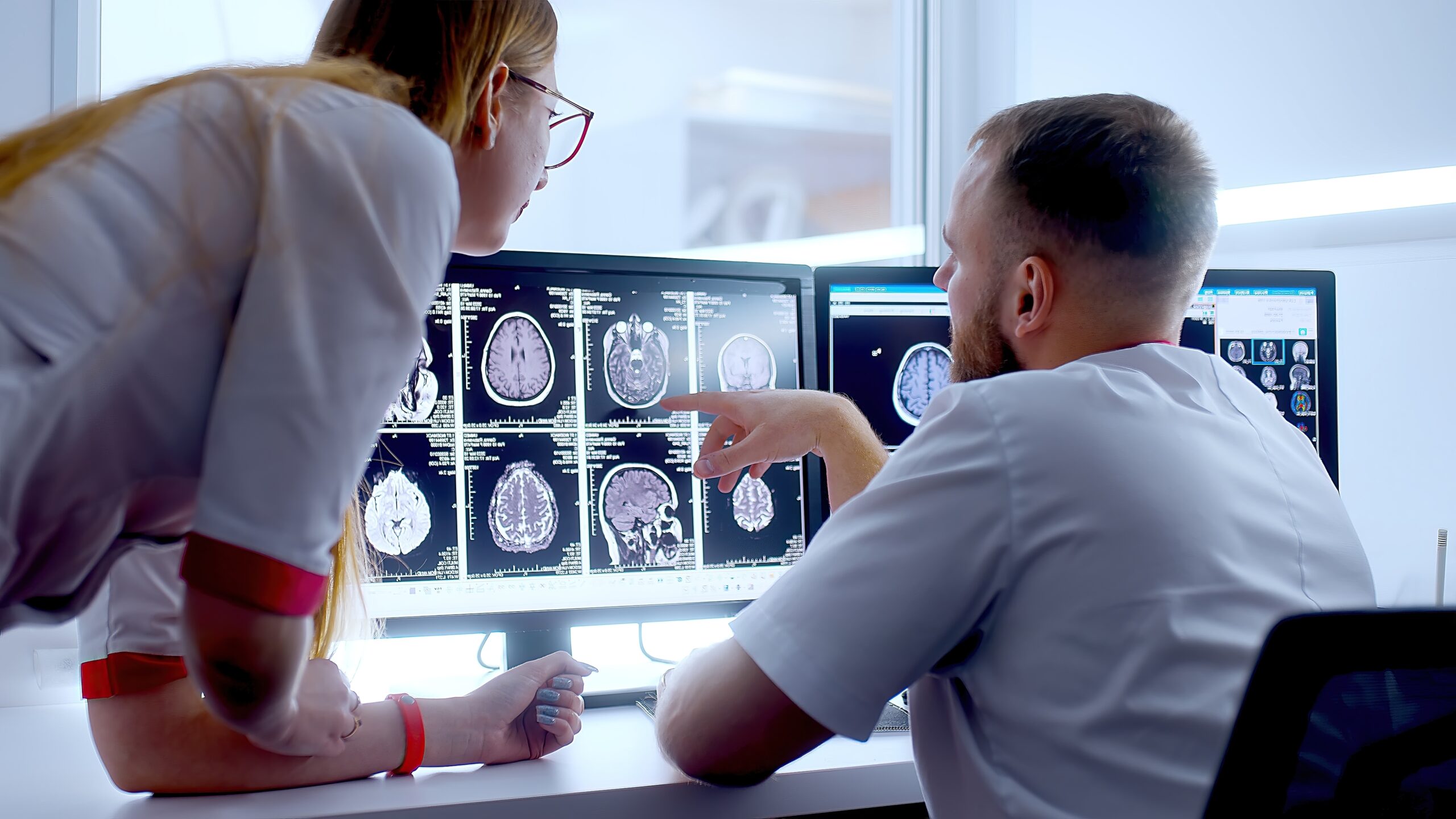
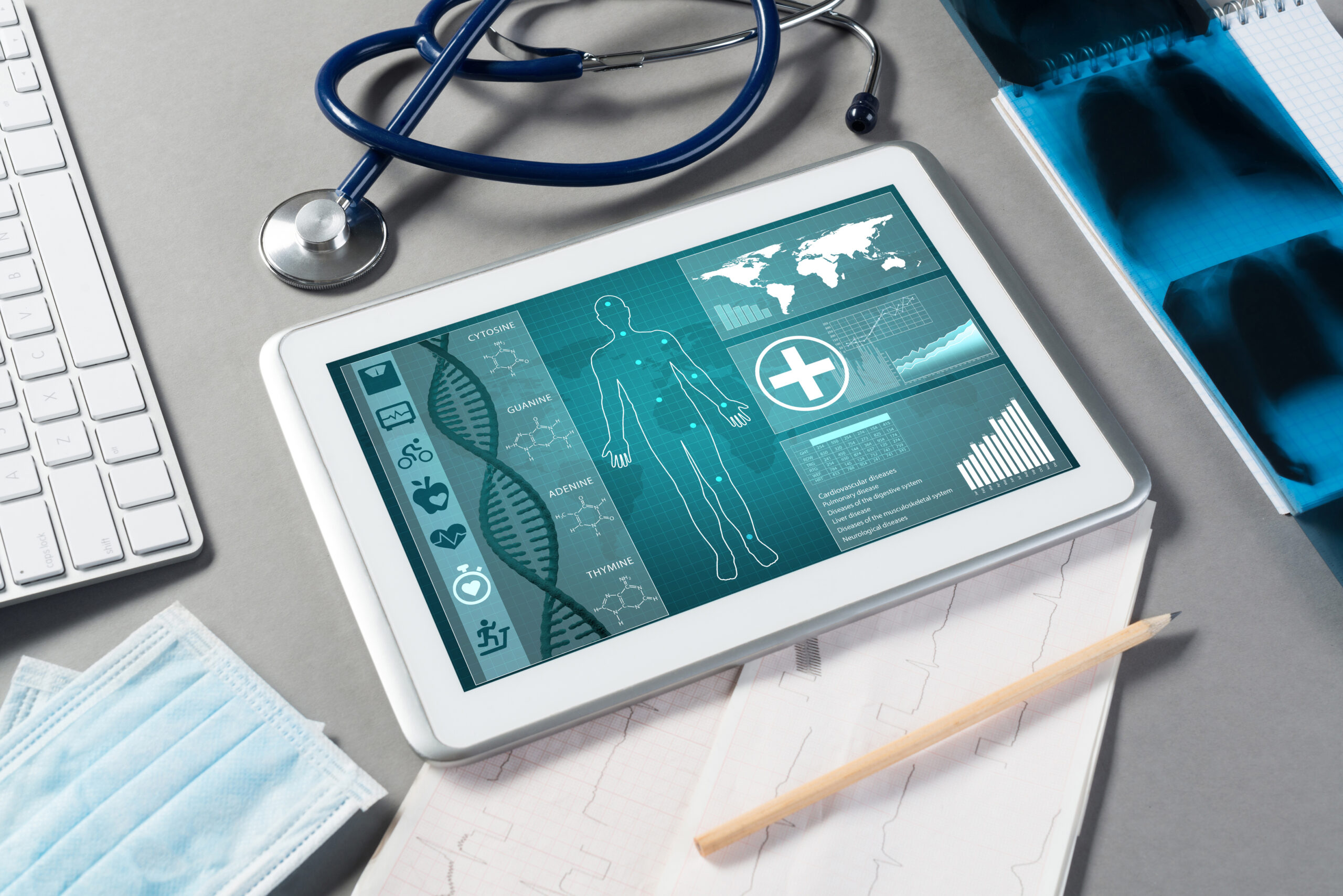
La rivoluzione digitale ha trasformato radicalmente il modo di toccare, con mano, tutto ciò che è attorno a noi. Ovviamente, anche il panorama sanitario negli ultimi anni è stato ridefinito: a partire dal modo in cui vengono erogate le cure e da come vengono gestite le informazioni cliniche. L'informatizzazione sanitaria rappresenta oggi non solo un'opportunità di innovazione, ma una necessità strategica per affrontare le crescenti sfide del settore e migliorare concretamente la qualità dell'assistenza.
L'informatizzazione delle strutture sanitarie si concretizza attraverso l'implementazione di diversi sistemi digitali interconnessi. Intendiamoci, per definizione un sistema digitale interconnesso è un insieme di dispositivi o componenti digitali che comunicano e scambiano dati tra loro attraverso reti, consentendo l'interazione e l'elaborazione condivisa delle informazioni.
Inoltre, come nel caso di tutto il settore sanitario, la Cartella Clinica Elettronica costituisce il cuore di questo sistema, un archivio digitale centralizzato che raccoglie l'intera storia clinica del paziente, accessibile in tempo reale da diversi professionisti autorizzati. Attorno ad essa gravitano i cosiddetti Sistemi Informativi Ospedalieri, piattaforme integrate che gestiscono processi clinici, amministrativi e logistici dell'ospedale. Insomma, un chiavi in mano che – a tutti gli effetti – può essere gestito anche da un cellulare.
Esistono poi branche della medicina, seppur in maniera molto più generale, come ad esempio la telemedicina, la quale ha rivoluzionato il concetto stesso di assistenza, superando i confini fisici delle strutture sanitarie e permettendo consulti, monitoraggio e terapie a distanza. Questa evoluzione è potenziata dalle Intelligenze Artificiali, che offrono analisi predittive sempre più raffinate, supporto decisionale avanzato e personalizzazione delle cure su scala prima impensabile.
Per non aggiungere poi il fronte del monitoraggio remoto, dispositivi indossabili e sensori sempre più sofisticati in grado di trasmettere parametri clinici in tempo reale, mentre i portali dedicati ai pazienti rappresentano la porta d'accesso digitale al sistema sanitario, consentendo all'utente di interagire con professionisti e servizi con semplicità e immediatezza.
Ma senza informatizzazione, tutto questo non è possibile.
Vantaggi concreti per il sistema sanitario e i pazienti
L'efficienza clinica e la sicurezza del paziente beneficiano enormemente dell'informatizzazione. La disponibilità immediata della storia clinica completa riduce drasticamente il rischio di errori diagnostici e terapeutici, con studi recenti che dimostrano una riduzione fino al 30% degli errori di prescrizione farmacologica e un miglioramento del 25% dell'appropriatezza diagnostica nei sistemi completamente digitalizzati.
La continuità assistenziale diventa realtà grazie all'integrazione tra i diversi livelli di cura, dalla medicina di base alla specialistica, dall'assistenza ospedaliera a quella domiciliare. Questo continuum digitale risulta particolarmente prezioso per i pazienti cronici o fragili, che necessitano di percorsi complessi e coordinati tra diverse figure professionali.
L'ottimizzazione delle risorse rappresenta un altro vantaggio fondamentale in un settore costantemente sotto pressione economica, come il nostro SSN. L'automazione dei processi amministrativi libera tempo prezioso per il personale sanitario, grazie a strutture completamente digitalizzate, è possibile recuperare fino a un’ora e mezza di lavoro al giorno per ogni medico, tempo che può essere reinvestito nell’assistenza diretta e nella relazione con il paziente, soprattutto in un contesto che – a malincuore – conosciamo tutti, in cui non c’è più tempo per ascoltare davvero chi si ha in cura.
L'empowerment del paziente costituisce forse la trasformazione più profonda. Attraverso gli strumenti digitali, il cittadino non è più oggetto passivo di cure ma protagonista attivo del proprio percorso di salute. L'accesso ai propri dati, la possibilità di comunicare con i professionisti e ricevere promemoria personalizzati ha dimostrato di migliorare l'aderenza terapeutica del 40% nei pazienti cronici che utilizzano app dedicate, aumentando significativamente la soddisfazione complessiva e gli esiti clinici.
La prevenzione personalizzata rappresenta la frontiera più avanzata dell'informatizzazione sanitaria. Il monitoraggio continuo e l'analisi avanzata dei dati consentono di identificare precocemente fattori di rischio individuali, elaborare profili di rischio personalizzati e implementare strategie preventive su misura, spostando progressivamente il baricentro del sistema sanitario dalla cura alla prevenzione.
Ostacoli da superare per una digitalizzazione efficace
Nonostante i benefici evidenti, la strada verso una completa informatizzazione sanitaria presenta ancora significative barriere. L'interoperabilità rimane forse la sfida più complessa: la frammentazione dei sistemi informativi crea barriere di informazione che non comunicano efficacemente tra loro.
Inoltre, lo sviluppo di competenze digitali adeguate nel personale sanitario costituisce un altro nodo cruciale. L'introduzione di nuove tecnologie modifica profondamente i flussi di lavoro consolidati e richiede un adeguamento delle competenze professionali. Programmi strutturati di formazione continua e un approccio al cambiamento che coinvolga gli operatori fin dalle fasi iniziali sono essenziali per superare resistenze comprensibili e garantire un'adozione efficace delle nuove soluzioni.
La protezione dei dati e la cybersicurezza rappresentano preoccupazioni crescenti in un settore che gestisce informazioni estremamente sensibili. La digitalizzazione aumenta inevitabilmente la superficie di attacco per possibili violazioni, rendendo fondamentale l'implementazione di sistemi di sicurezza all'avanguardia, con protocolli di crittografia avanzati, sistemi di autenticazione a più fattori e formazione continua del personale sui rischi informatici.
Gli investimenti necessari per una completa digitalizzazione possono essere considerevoli, soprattutto per strutture di piccole dimensioni con risorse limitate. È essenziale una pianificazione finanziaria che consideri il ritorno sull'investimento nel medio-lungo periodo e sfrutti le opportunità di finanziamento disponibili a livello nazionale ed europeo, come i fondi del PNRR destinati alla digitalizzazione sanitaria.
Il futuro dell'informatizzazione sanitaria
L'evoluzione tecnologica apre scenari promettenti per il futuro della sanità digitale. L'Intelligenza Artificiale avanzata sta progressivamente trasformando il supporto decisionale clinico, passando da semplici notifiche (ndr. direttamente sul cellulare) a veri sistemi di raccomandazione personalizzata basati sull'elaborazione di enormi quantità di dati clinici e di letteratura scientifica.
Solo negli ultimi tempi è nato il concetto di "digital twin", gemello digitale del paziente, che potrebbe rappresentare una frontiera affascinante che consentirà di simulare interventi e personalizzare terapie con precisione sempre maggiore, mentre l'Internet of Medical Things (IoMT) espanderà ulteriormente la rete di dispositivi interconnessi che monitorano parametri vitali e comportamentali senza interferire con la vita quotidiana del paziente.
Verso una sanità connessa e centrata sulla persona
L'informatizzazione della sanità non rappresenta semplicemente un aggiornamento tecnologico, ma una trasformazione profonda del paradigma assistenziale. Il vero obiettivo non è digitalizzare processi esistenti, ma ripensarli completamente in un'ottica di maggiore efficienza, sicurezza e personalizzazione.
Per realizzare pienamente questo potenziale, è necessario un approccio sistemico che integri tecnologia, formazione, governance e coinvolgimento di tutti gli stakeholder. Solo così la trasformazione digitale potrà tradursi in un miglioramento tangibile della qualità dell'assistenza e dell'esperienza di cura.
In ultima analisi, l'informatizzazione sanitaria rappresenta uno strumento potentissimo per realizzare una sanità più accessibile, equa, efficiente e sostenibile, capace di rispondere alle sfide demografiche ed epidemiologiche del XXI secolo, mantenendo al centro la persona con i suoi bisogni complessi di salute e relazione.