In modern healthcare, advanced medical treatments often rely on specialized procedures that require both clinical expertise and strict quality oversight. One such procedure is apheresis; Apheresis is a process that separates specific components of blood for therapeutic treatment or cellular therapy. At the centre of this complex process is the apheresis nurse, The role of an apheresis nurse extends far beyond performing a technical procedure. It is a profession that integrates clinical expertise, patient-centred care, and quality management principles.
Through careful preparation, continuous monitoring, and rigorous documentation, apheresis nurses ensure that complex treatments are delivered safely and effectively. Their role is especially vital in transplant programs and specialized haematology services, where precision and quality oversight are essential. Working in highly specialized settings such as haematology units, transplant centres, and transfusion services, apheresis nurses blend clinical expertise, technological skill, and quality management practices to provide safe, reliable care for every patient.
Starting the Day where safety begins
The day of an apheresis nurse typically begins long before the first patient arrives. Preparation is not routine it is foundation of patient safety. Each morning starts with reviewing the patient schedule and preparing the unit for the full range of complex procedures ahead, including therapeutic plasma exchange, leukapheresis, plateletpheresis, red blood cell exchange, or stem cell collection for transplantation.
However, the true priority lies in quality check. Every machine is inspected, calibrated, and verified. Disposable kits are checked for integrity and computability. Laboratory results are reviewed with precision, ensuring that each patient meet the criteria for safe treatment.
This stage reflects a critical principle of quality management: errors prevented at the beginning are risks eliminated later. In many advanced programs, this practice aligns with international standards, ensuring traceability, accountability, and patient safety from the very first step.
Patient Assessment: The First Line of Defence
Once the patient arrives, the focus shift from preparation to clinical judgment and risk evaluation. The nurse conducts a thorough clinical assessment. Vital signs are measured, laboratory values are reviewed, and venous access is evaluated. These steps help determine whether the patient is stable enough for the procedure.
From a quality management perspective, this stage represents risk assessment and patient safety verification. Nurses confirm patient identity using standardized safety protocols and ensure that all documentation aligns with physician orders and treatment plans.
At the same time, the nurse establishes trust. By clearly explaining the procedure, expected sensations, and potential side effects, the nurse reduces anxiety and empowers the patient. This human connection is essential because quality care is not only measured in outcomes, but also in patient experience.
Performing the Procedure: Precision and Monitoring
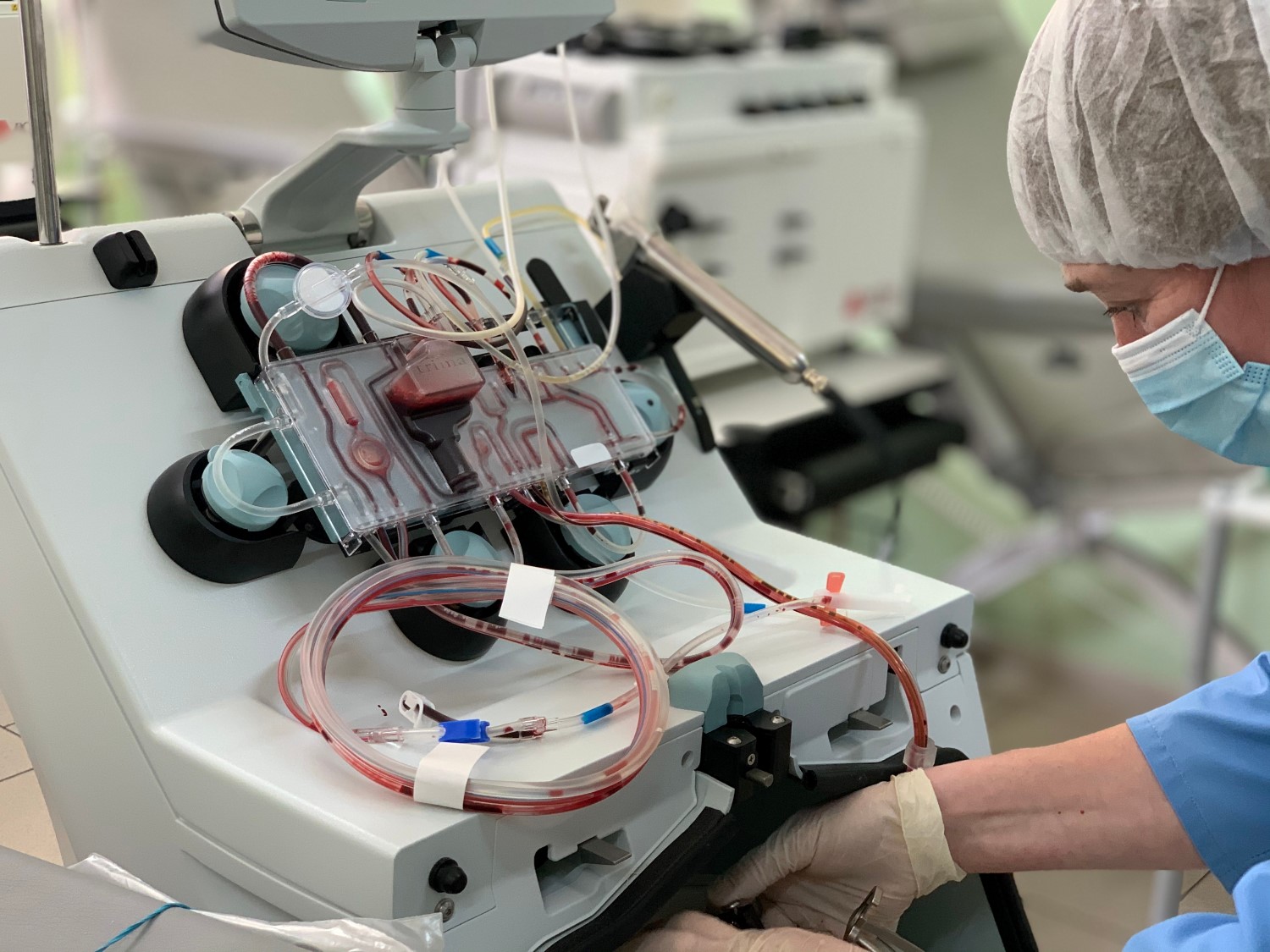
Once the procedure begins, the apheresis nurse enters a phase that demands continuous vigilance and technical mastery. Blood is circulated through a specialized machine that separates its components using centrifugation. The required component is collected, while the remaining elements are safely returned to the patient.
For the next two to four hours, the nurse maintains constant oversight monitoring vital signs, adjusting machine parameters, and responding instantly to alarms or changes in patient condition.
Here, quality management becomes highly visible. Every step follows standard operating procedures, ensuring consistency, accuracy, and safety. Even small deviations can have significant consequences, making attention to detail essential.
Managing Complications Where Expertise Meets Safety
Despite the controlled environment, apheresis procedures can present challenges. One of the most common is citrate toxicity, which may cause tingling, chills, or muscle cramps.
In these moments, the nurse’s expertise is critical. Rapid assessment, timely intervention, and adherence to clinical protocols ensure that complications are managed effectively. But beyond immediate care lies another layer quality reporting and improvement.
Every adverse event or unexpected reaction is documented and analysed. These reports feed into incident reporting systems and root cause analysis, allowing teams to identify patterns, refine protocols, and prevent recurrence.
This reflects a key principle of high-reliability organizations: every incident is an opportunity to improve the system
Stem Cell Collection and Transplant Support: Precision with Purpose
Among the most impactful aspects of apheresis nursing is stem cell collection for bone marrow transplantation. In these procedures, stem cells are collected from the bloodstream of a donor or patient after medications stimulate their release from the bone marrow. Because these cells will later be used for transplantation, The nurse plays a vital role in ensuring that the collection process meets strict quality standards. From accurate labelling to maintaining chain-of-custody documentation, every step must be flawless.
These procedures are often part of life-saving treatment pathways for patients with leukaemia, lymphoma, and other serious conditions. In this context, quality is not just about compliance; it is about ensuring that patients receive a second chance at life.
Documentation: The Backbone of Quality
In apheresis nursing, documentation is a critical component of patient safety and quality assurance. Every detail is recorded: machine settings, anticoagulation doses, patient responses, and product volumes. These records provide traceability, support clinical decisions, and ensure compliance with regulatory standards.
More importantly, they generate data.
This data is used to monitor key performance indicators such as complication rates, procedure success, and product quality. Through continuous analysis, healthcare teams can identify trends, drive improvements, and enhance patient outcomes.
The End of the Day: Reflection and Continuous Improvement
As the day concludes, the work of the apheresis nurse continues. Equipment is cleaned and prepared, documentation is finalized, and collected products are safely transferred for processing. But beyond these tasks lies a deeper responsibility reflection and improvement.
A Personal Reflection: Where Science Meets Miracle
There is something profoundly powerful about apheresis, something that goes beyond science and enters the realm of what feels like a miracle.
Every day, I witness how the smallest elements of life cells invisible to the human eye can hold the power to transform a patient’s future. Through apheresis, we collect healthy stem cells that may give someone a second chance at life. At the same time, we remove harmful components from the blood cells and antibodies that are contributing to illness helping the body begin to heal.
What continues to inspire me is this delicate balance: removing what harms and preserving what heals. It is a process that reflects both precision and purpose. These tiny cells, so easily overlooked, carry extraordinary significance. They are not just biological components they are hope, recovery, and in many cases, survival.
In these moments, apheresis becomes more than a clinical procedure. It becomes a reminder that even the smallest interventions can create the greatest impact. This is why I am passionate about apheresis nursing because every procedure is an opportunity to witness the quiet, powerful miracle of healing in motion.
“In apheresis the smallest cells carry the largest hope, each one has the power to change and even safe a life “