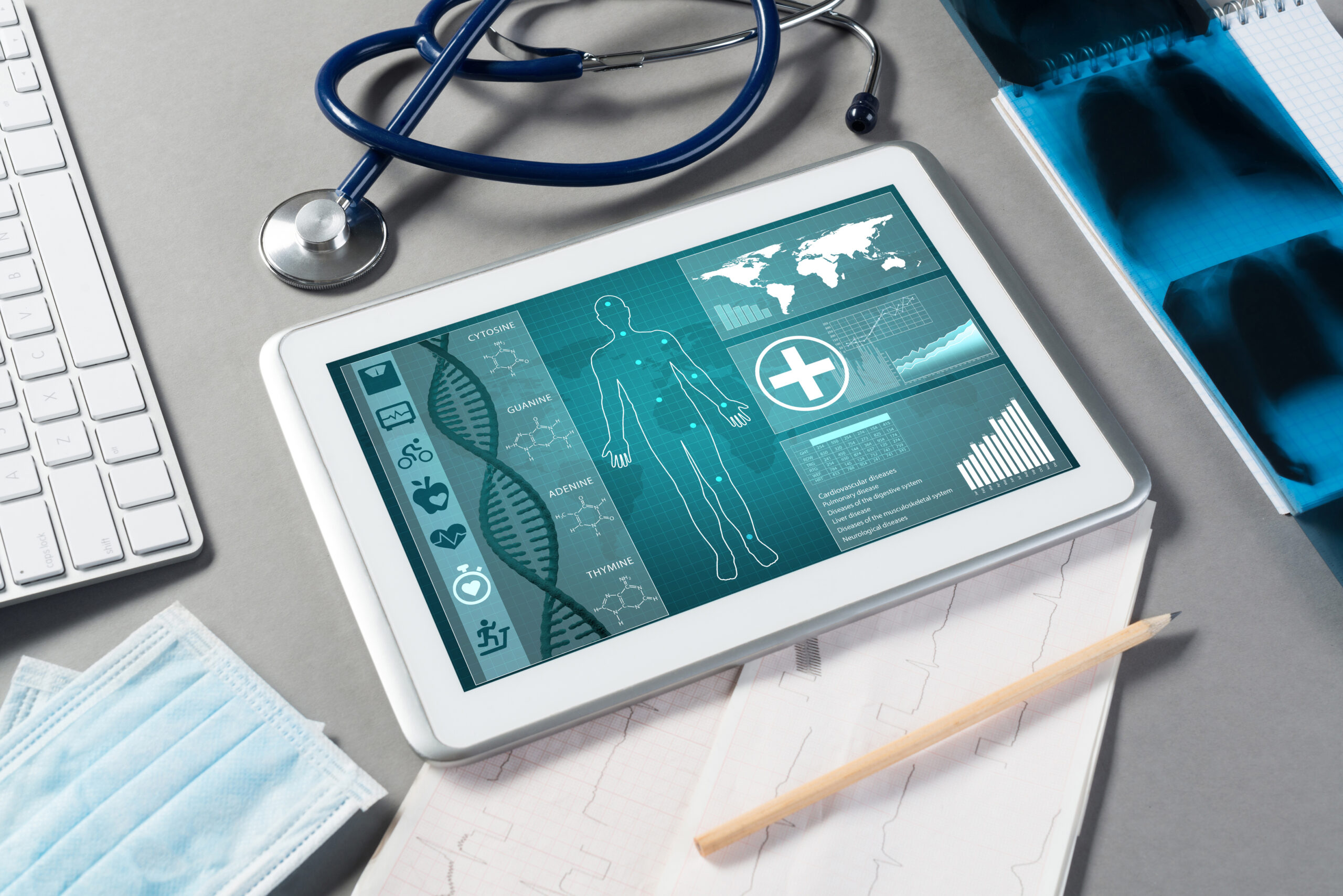
L’integrazione dei Big Data nei sistemi sanitari rappresenta oggi una leva fondamentale per la trasformazione del settore, rendendo possibile un approccio sempre più predittivo, preventivo e personalizzato alla salute. La capacità di raccogliere, gestire e analizzare enormi quantità di dati provenienti da fonti eterogenee — come genomica, imaging, dispositivi wearable e dati clinici — sta già generando cambiamenti tangibili nella pratica medica quotidiana.
L’obiettivo è duplice: da un lato migliorare gli esiti clinici per i pazienti, dall’altro ottimizzare i processi operativi delle strutture sanitarie. Non si tratta più di una prospettiva futura, ma di una realtà che si concretizza attraverso progetti pilota e implementazioni su larga scala in Italia e in Europa. In questo articolo analizziamo alcune applicazioni specifiche, che testimoniano come l’uso evoluto dei Big Data stia ridefinendo la medicina contemporanea.
Analisi predittiva e trattamento personalizzato nei tumori complessi
In ambito oncologico, l’analisi integrata di dati genomici, clinici e ambientali ha permesso la costruzione di modelli predittivi altamente performanti per tumori ad alta complessità biologica. Questi modelli supportano l’identificazione precoce delle caratteristiche molecolari della neoplasia, consentendo di orientare il clinico verso terapie personalizzate e incrementare le probabilità di risposta positiva al trattamento.
L’approccio basato sui Big Data permette non solo di stratificare i pazienti in modo più preciso, ma anche di ridurre i tempi di presa in carico terapeutica, migliorando la prognosi globale.
Digitalizzazione e analisi avanzata delle immagini patologiche
L’impiego di piattaforme di digital pathology, combinate con algoritmi di intelligenza artificiale, consente oggi la trasformazione dei campioni istologici in dati digitali ad alta risoluzione. Questi sistemi, alimentati da set di dati sempre più estesi e complessi, sono in grado di eseguire analisi morfometriche e riconoscere pattern patologici con livelli di accuratezza comparabili — e in alcuni casi superiori — alla valutazione manuale.
L’effetto è duplice: si riducono drasticamente i tempi di refertazione e si abilita il supporto decisionale per patologie ad alta incidenza, come quelle oncologiche, garantendo una maggiore standardizzazione diagnostica.
Monitoraggio remoto e gestione proattiva dei pazienti cronici
Attraverso l’integrazione di applicazioni mobili e dispositivi wearable, i dati relativi ai parametri fisiologici dei pazienti vengono raccolti in tempo reale e analizzati da piattaforme di data analytics avanzate. I modelli predittivi derivanti da questi flussi informativi consentono di rilevare precocemente segnali di deterioramento clinico, favorendo interventi tempestivi.
L’utilizzo di tali soluzioni è particolarmente efficace nella gestione delle patologie neurodegenerative, dove la progressione può essere monitorata nel dettaglio, personalizzando le strategie terapeutiche e di riabilitazione.
Intelligenza artificiale applicata alla diagnostica per immagini
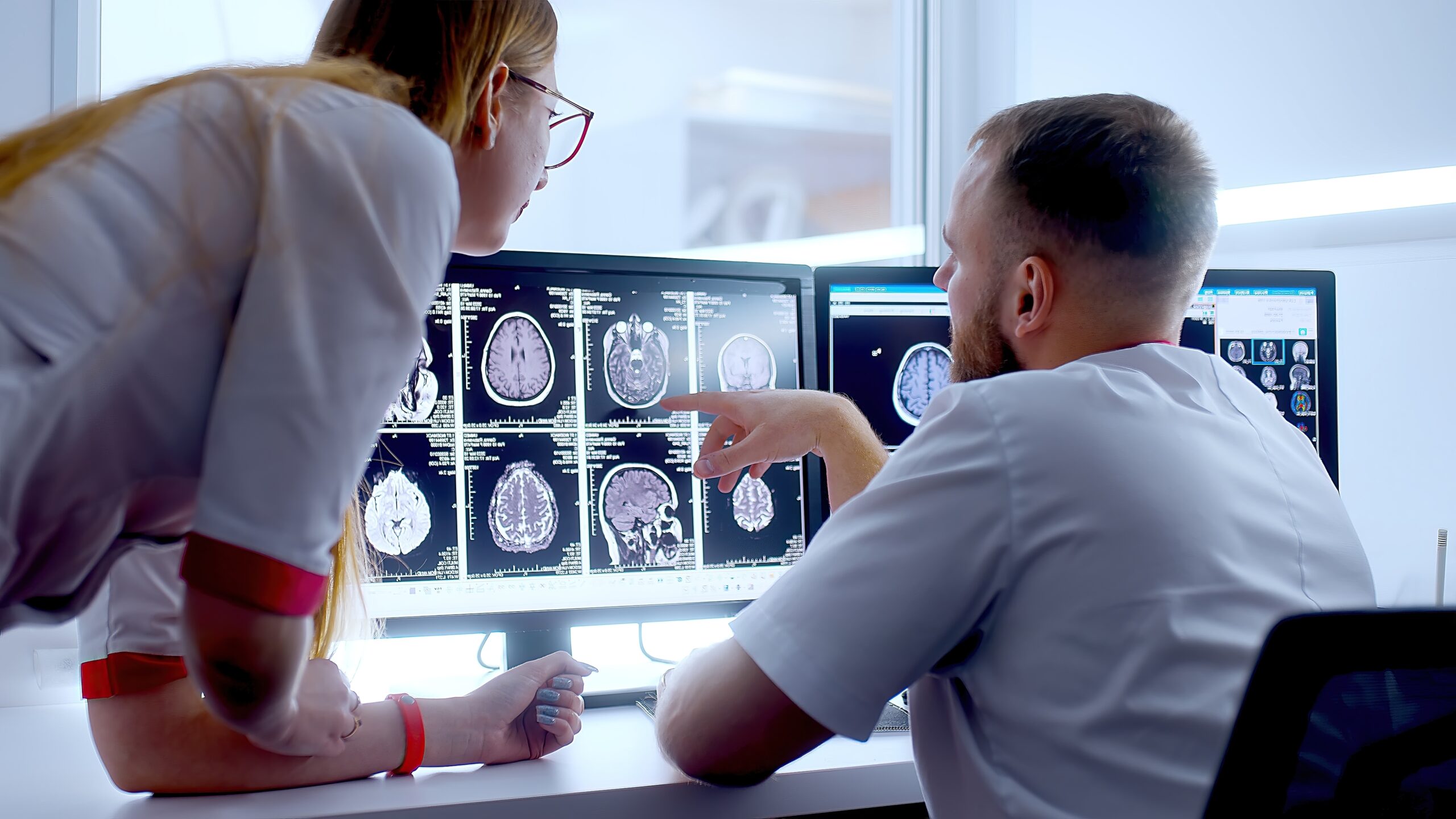
In contesti di screening di massa, algoritmi di intelligenza artificiale specificamente addestrati su dataset radiologici riescono a migliorare la sensibilità e la specificità diagnostica, soprattutto per tumori ad alta prevalenza. Questi strumenti integrano e amplificano le competenze dei radiologi, individuando precocemente lesioni sospette e contribuendo a ridurre i tassi di diagnosi mancate.
Le implementazioni più recenti mostrano come l’analisi automatizzata delle immagini possa ridurre i falsi negativi e consentire una gestione più efficiente dei percorsi diagnostici.
Interoperabilità e valorizzazione dei dati sanitari a livello europeo
La costruzione di spazi di dati sanitari interoperabili rappresenta un passo cruciale verso una sanità europea più integrata e basata sull’evidenza. La condivisione sicura e regolamentata delle informazioni mediche consente di creare un patrimonio di dati utilizzabile non solo per la cura dei pazienti, ma anche per la ricerca clinica e l’innovazione farmacologica.
Attraverso questi ecosistemi digitali, i dati del paziente seguono il percorso di cura ovunque in Europa, garantendo continuità assistenziale e alimentando le future applicazioni di intelligenza artificiale e analisi predittiva.
Conclusioni
Il valore dei Big Data in sanità risiede nella loro capacità di trasformare la complessità clinica in conoscenza operativa, migliorando la qualità dell’assistenza e supportando la sostenibilità dei sistemi sanitari. Le applicazioni concrete oggi disponibili dimostrano come l’integrazione tra dati, algoritmi e competenze cliniche stia già rivoluzionando la medicina, offrendo nuove prospettive di cura e prevenzione. Guardando al futuro, la sfida sarà consolidare questi modelli su larga scala, garantendo interoperabilità, sicurezza e governance etica dei dati.