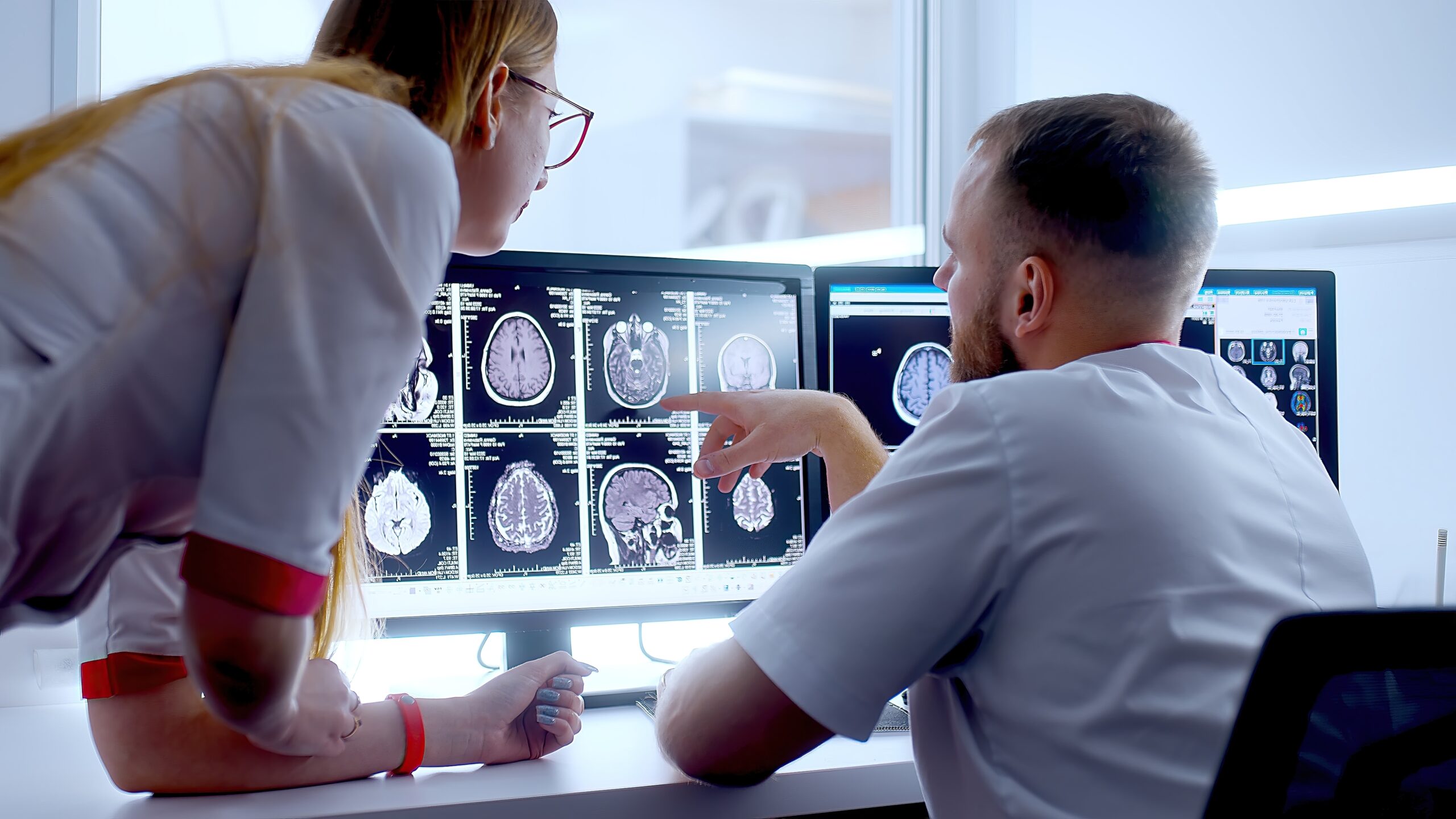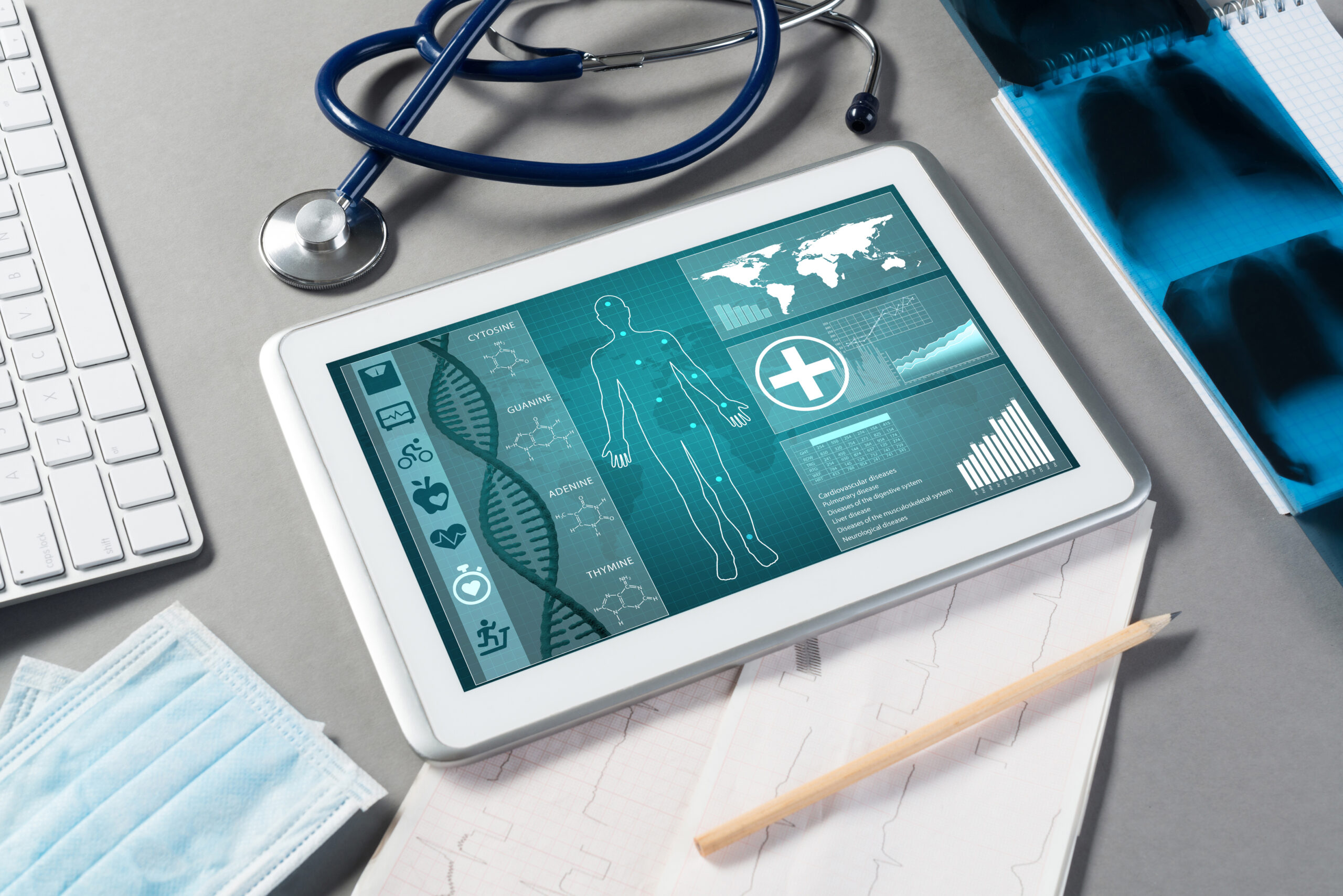
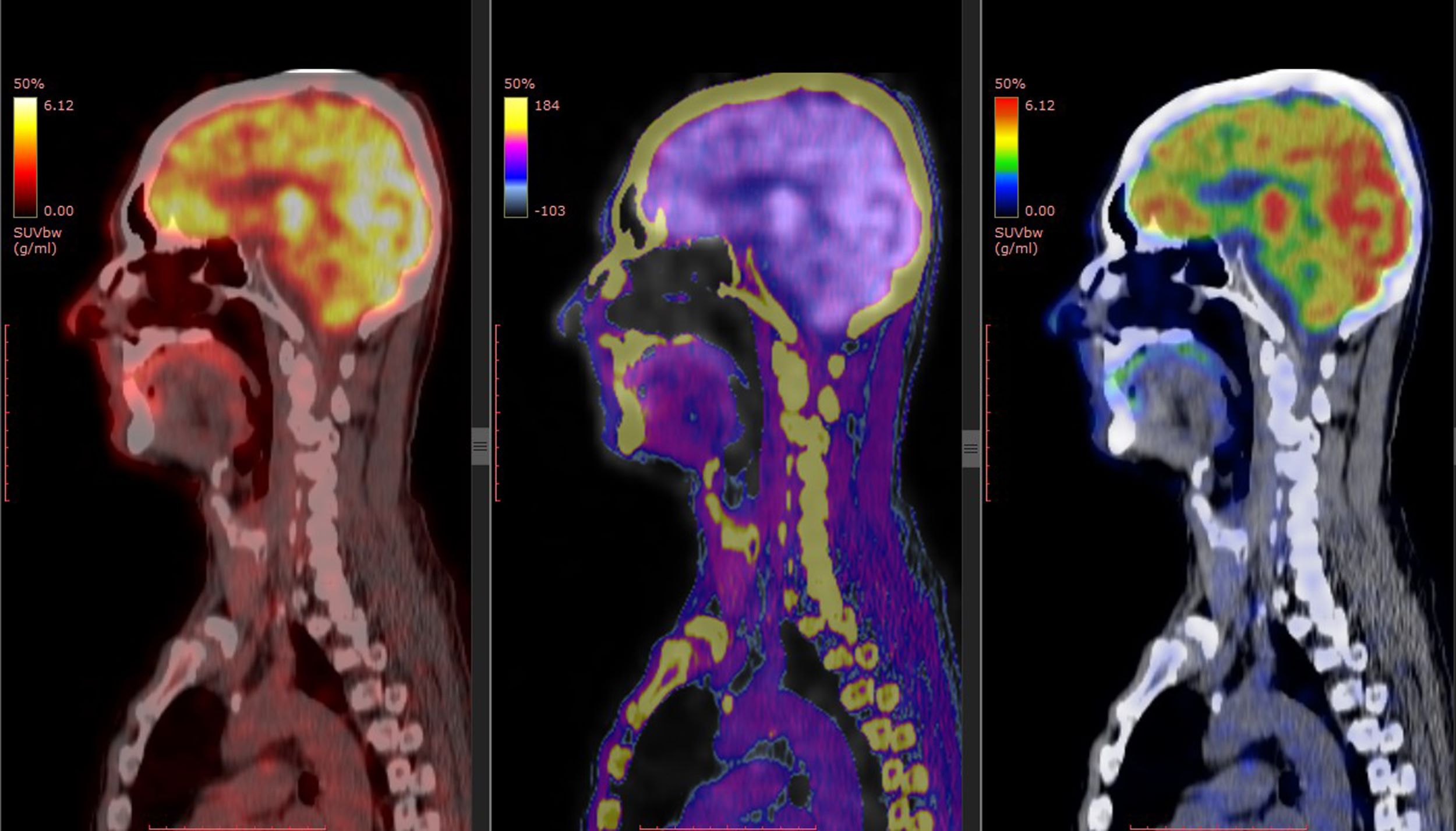
In August 2024, a pioneering study showed that artificial intelligence (AI) can outperform doctors in the diagnosis of rare diseases, marking a major breakthrough in healthcare. The AI system analysed in the study achieved 92% accuracy in diagnosis, compared to 85% achieved by a group of experienced doctors.
How AI works in medical diagnosis
The technology exploits advanced deep learning models trained on vast datasets containing millions of clinical cases and diagnostic images. These systems can identify complex patterns and correlations that often escape even the most experienced specialists. AI is capable of analysing a variety of data, including:
• Radiological images: such as CT scans, MRIs and X-rays.
• Genetic information: to detect mutations and genetic predispositions.
• Electronic medical records: to detect medical history and related symptoms.
A concrete example: diagnosis of rare diseases
Many rare diseases, such as Ehlers-Danlos syndrome or Fabry disease, have complex and variable symptoms that often lead to incorrect or delayed diagnosis. AI can drastically reduce diagnosis times. In the case of patients with suspected metabolic diseases, for instance, AI has identified relevant clinical signs with unrivalled speed, suggesting personalised treatment options in real time.
Other use cases of AI in medicine:
Prevention and monitoring of chronic diseases
AI is also proving revolutionary in the management of chronic diseases, such as diabetes and cardiovascular diseases. Through wearable devices, advanced algorithms monitor vital parameters, such as blood glucose, blood pressure and heart rate, in real time, identifying potential abnormalities before they turn into medical emergencies.
They are also proving to be revolutionary in the management of chronic diseases, such as diabetes and cardiovascular diseases.
Optimisation of cancer treatments
Another field in which AI is making significant progress is oncology. AI-based systems analyse tissue samples and medical images to identify tumour-specific genetic features, suggesting targeted and personalised treatments. This approach not only improves the effectiveness of therapies, but also reduces side effects.
Main obstacles in the adoption of AI
Despite significant progress, the widespread adoption of AI in medicine presents some challenges:
Quality and availability of data
• Insufficient or low quality data: AI algorithms require large and diverse datasets to be effective. However, many rare diseases have limited data, making accurate training difficult.
• Privacy and security: The management of sensitive clinical data raises concerns in terms of privacy protection and compliance with regulations (such as GDPR).
Cultural acceptance and resistance to change
• Physician distrust: Many healthcare professionals are reluctant to trust automated tools, fearing that AI may replace them or compromise the doctor-patient relationship.
• Education and training: The integration of AI requires training programmes for physicians, who must learn how to use these tools and interpret them correctly.
Ethical and Regulatory Issues
• Legal liability: In the event of an AI diagnostic error, it remains uncertain who should bear the responsibility (physician, system developer or manufacturer).
• Bias in algorithms: If training datasets are unbalanced or unrepresentative, AI can perpetuate inequalities in access and quality of care.
Economic and infrastructural barriers
• High costs: The development, implementation and maintenance of advanced AI systems require significant resources, making them unaffordable for many healthcare facilities.
• Limited infrastructure: AI adoption is hampered in regions with weak Internet connections or outdated technologies.
Benefits for the healthcare system
In spite of these obstacles, the benefits of AI are considerable:
• Reduced diagnosis times.
• Support for physicians with detailed analysis.
• Better access to care even in remote regions.
Future Perspectives
Overcoming barriers will require investment in research, education, infrastructure and clear regulations. However, AI has the potential to revolutionise healthcare, making medicine more effective, accessible and personalised, offering hope to millions of patients worldwide.